
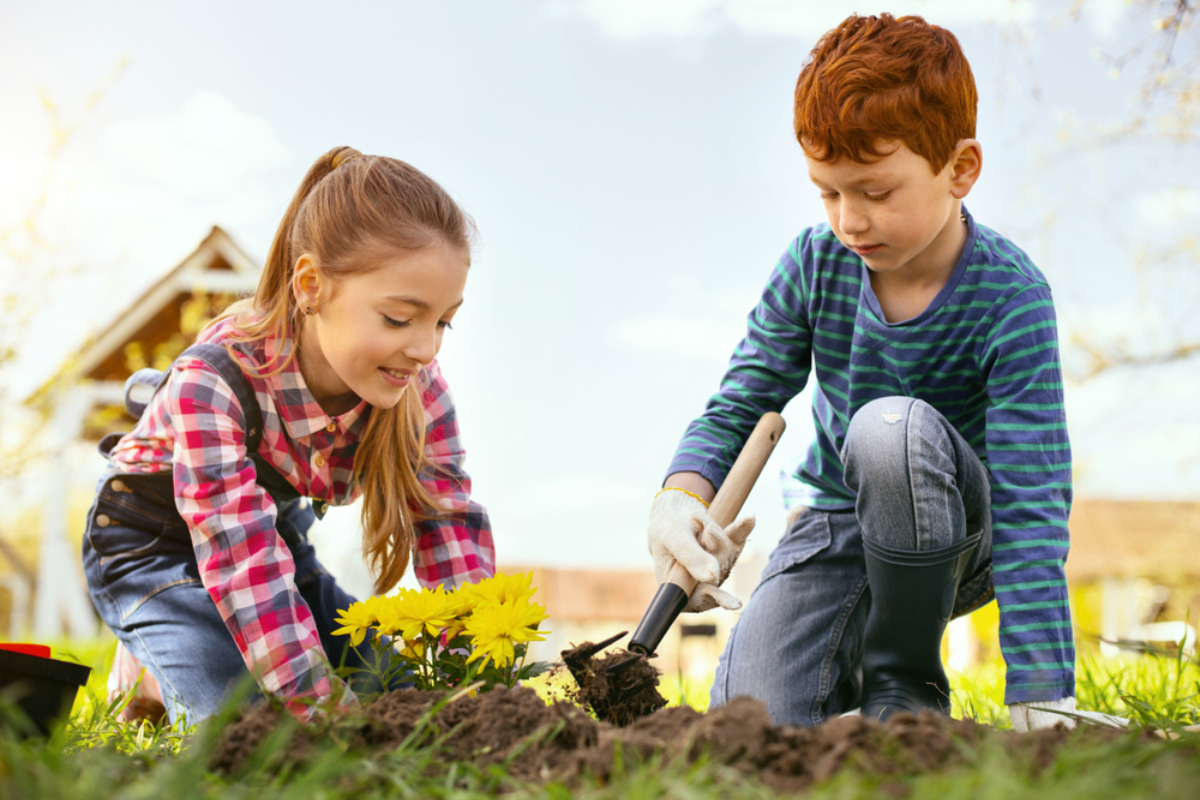
Sensitizing Children on Citizenship: Building Foundations of Responsible Participation in Early Childhood
“Citizenship is the chance to make a difference to the place where you belong.”
— Charles Handy
Citizenship, in its broadest sense, refers to belonging to a community and sharing in the rights, duties, and values that shape collective life. Traditionally understood as a socio-legal status reserved for adults, citizenship in recent decades has evolved into a dynamic and inclusive concept that extends even to very young children. Growing research and global educational practice now affirm that children, even in the early years, are capable of participating meaningfully in their social worlds. As Liz Moorse of the Association for Citizenship Teaching (UK) emphasizes, citizenship education is a process—a sustained engagement that helps young learners develop the knowledge, skills, and dispositions to contribute positively to society.
Sensitizing children to citizenship between ages 3 and 10 is particularly vital. These formative years are characterized by openness, curiosity, a strong tendency to imitate adult behaviour, and an emerging sense of identity and agency. Early experiences shape habits, attitudes, and worldviews that remain influential throughout life. By introducing values such as fairness, empathy, responsibility, and democratic participation early on, adults build the foundation for responsible, ethical, and active citizens of the future.
Citizenship Consciousness in Early Childhood
Citizenship consciousness goes beyond understanding rules or learning about rights and responsibilities. It includes awareness of self, others, and the broader society, cultivating moral reasoning, empathy, and social responsibility. According to citizenship education frameworks, this consciousness comprises three interlinked strands:
- Social and moral responsibility – learning to care, share, take turns, and understand the consequences of one’s actions.
- Political literacy – developing the early capability to express opinions, understand fairness, participate in simple decision-making, and negotiate rules.
- Community involvement – recognising one’s role within various communities such as the family, school, neighbourhood, and environment.
Children engage in these aspects naturally through their daily interactions. Through guided reflection and structured opportunities, educators can strengthen their participation and help them understand their place in shaping the kind of society they wish to live in.
Why Start Early?
Starting citizenship education early is not only beneficial—it is essential. Research from the Glasgow Centre for Population Health challenges the traditional “deficit approach” that sees children merely as citizens in the making. Instead, children are already capable of demonstrating citizenship through acts of care, fairness, justice, and solidarity.
At a young age, children:
- Learn quickly through observation and imitation.
- Absorb values that become lifelong habits.
- Develop confidence and agency when allowed to make choices.
- Experience a sense of belonging when contributing to their community.
- Derive self-respect from positively impacting their environment.
Furthermore, delaying citizenship education reinforces the notion that children lack competence. Evidence from Nordic countries shows that nurturing children as current citizens does not conflict with preparing them as future citizens—both aims can be achieved alongside each other.
How Children Act as Citizens
Studies across Europe illustrate that children naturally participate in citizenship-like behaviours. Bath & Karlson’s research in Sweden and England reveals that children’s play often reflects moral sensibilities—standing up for fairness, negotiating rules, including peers, and demonstrating solidarity. Similarly, Cath Larkins identifies four ways in which children enact citizenship:
- Negotiating rules and identities – shaping classroom norms and understanding themselves in relation to others.
- Contributing to the social good – helping peers, caring for shared spaces, or participating in group tasks.
- Advancing rights – asserting their needs and ensuring that others’ rights are respected.
- Challenging unfair structures – questioning rules or expectations that appear inequitable.
Joseph Dunne adds that children’s citizenship is grounded in freedom, equity, and solidarity, enacted through speech, deliberation, and action. These principles are achievable when adults create environments where children’s voices are welcomed and their contributions valued.
Core Values of Early Citizenship
Early citizenship education rests on a constellation of values:
- Care and empathy
- Fairness and responsibility
- Respect and acceptance
- Cooperation and democratic thinking
- Understanding roles within family, school, and community
These values are not taught through lectures but through consistent modelling, daily routines, meaningful interactions, and reflective conversations.
Creating a Classroom Culture of Citizenship
A classroom that nurtures citizenship must be:
- Safe and emotionally supportive
- Inclusive, recognising diversity
- Democratic, allowing children to make choices, express their needs, and question freely
- Collaborative, encouraging teamwork and shared responsibilities
Opportunities such as class jobs, group tasks, morning meetings, daily routines, circle time, simulations of real-life situations cultivate responsibility, cooperation, and confidence. Celebrating diversity and promoting acceptance materialize values through lived experiences rather than abstract instruction.
Routine activities teach structure, responsibility, and respect for shared norms. Following class rules, taking turns, waiting patiently, and caring for belongings foster order, discipline, and empathy.
Real-life examples—such as differentiating between needs and wants, valuing labour, planning simple budgets, or understanding delayed gratification—help children relate citizenship concepts to daily life. Conflicts provide opportunities to teach negotiation, problem-solving, and emotional regulation.
Play as a Medium for Citizenship
Play remains one of the most effective pedagogical tools for early citizenship. Pretend play, collaborative games, shared tasks, and aesthetic activities allow children to:
- Learn cooperation
- Practice leadership and negotiation
- Develop creativity and critical thinking
- Build friendships and social trust
Guided discussions during and after play deepen their understanding of fairness, roles, and empathy.
Empathy and Environmental Responsibility
Empathy—central to citizenship—grows when children recognize and respect emotions (their own and others’). Teachers can nurture empathy through stories, reflective dialogues, mindfulness, and encouraging kind actions.
Environmental responsibility can be introduced through simple practices such as watering plants, growing school vegetable or medicine garden, recycling, saving energy, caring for animals, and understanding that every action has consequences. These experiences help children see themselves as stewards of the Earth.
Role of Teachers and Adults
Adults have a profound influence. Children learn citizenship primarily by observing adults. Teachers must model empathy, fairness, respect, and democratic behaviour. Constructive feedback, celebration of small responsible acts, and non-judgmental guidance reinforce positive tendencies. Avoiding labels, focusing on behaviour, and offering consistent support empower children to grow confidently.
Citizenship learning is most effective when supported by home-school consistency. Shared routines, aligned expectations, and regular communication help reinforce values across environments. When parents model responsible citizenship—caring for the community, discussing fairness, practicing empathy—children experience continuity and clarity in their learning.
Conclusion
Sensitizing children to citizenship between ages 3 and 10 is not an academic exercise; it is a social imperative. Early childhood offers fertile ground for nurturing values, behaviours, and attitudes that sustain democratic, inclusive, and compassionate societies. By providing thoughtful guidance, modelling empathetic behaviour, creating supportive environments, and engaging children as active participants, educators and parents can empower young learners to understand themselves as capable, responsible, and caring citizens—both today and in the future.

All Categories
Recent Posts
Learning to Learn, the Essential Metacognitive Skill for Life Long Learning
Leadership That Listens, Empowers and Transforms