Dr. Leena Pimpley
A leader is the one who mentors, fosters a shared vision, motivates, delegates, guides, appreciates, empathizes, is data driven, a reflective practitioner and one who leads by example. Leader is the one who walks the talk and models for their team the desired skills and attitude
Cambridge School Leader Standards defines Leadership as a collective process that includes a wider group of people. Who are committed to the principle of distributed leadership.
The standard further states that ‘a school leader is one individual who has overall responsibility for implementing the school’s vision. This person is ultimately accountable for the learning outcomes of all students. individual who has the responsibility as well as the professional training, knowledge, skills and experience to be the senior educational leader.’
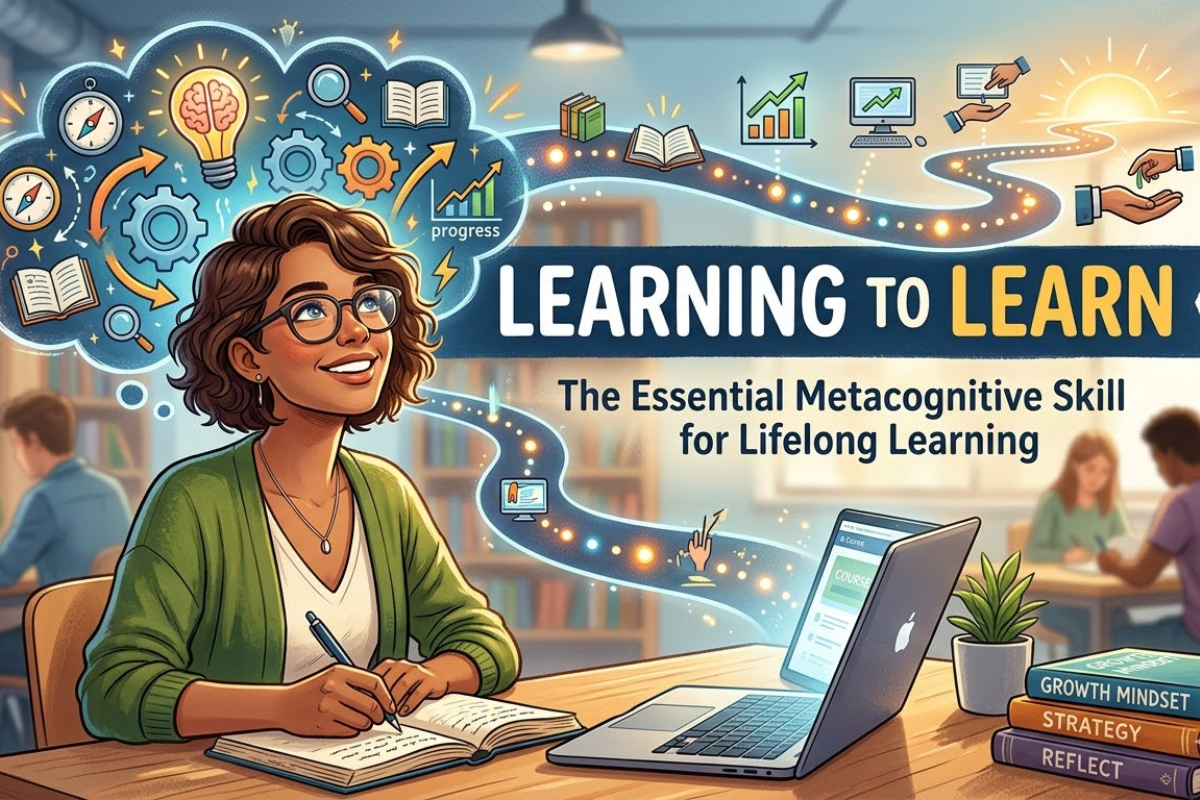
Today’s world is driven by ever evolving technology and AI is the most evident example. We are witnessing so many careers becoming obsolete and new career avenues emerging. We have also observed that repetitive tasks can be easily handled by AI. Resultantly, those jobs which ask for repetitive tasks are vanishing. If our schools continue their focus on teaching only content, the rote memorization and regurgitation of content will lead our youth nowhere. If we as school leaders are still allowing 21st century students to be taught through 19th century pedagogies we are doing a disservice to the students and society. The challenge facing our school leaders is to bring this paradigm shift in the way we teach which will intern transform the way our students learn. For that we need to bring about a Mindshift in our teachers from ‘I am teaching’ to ‘are my students learning?’ ‘How are they learning?’ ‘Are my students learning how to learn unlearn and relearn to keep pace with the changing times. To facilitate original thought, critical and creative thinking, problem solving, innovative designs and products and metacognition. And at the same time, the leaders must focus on nurturing positive attitude, adaptability, collaboration, empathy, resilience, mindfulness among students. To achieve this objective, the school leadership of today should be intentional.
This is indeed a tall order and demands collaboration, accountability and ownership among the whole school team, leaders and teachers and needs to make teachers feel trusted and empowered. The first action a school leader can take in this direction is to acknowledge diversity among teachers. A straight jacket formula can’t be applied. A leader needs to be listening, should be approachable, should welcome suggestions, should encourage teachers to think, innovate, share, work together and reflect on the strategies they are using to enhance student outcomes. The leader needs to explore professional development avenues for their teachers.
A competency matrix should be ready with the leader which comprises not just teacher qualifications and experience but also the pedagogies they are employing, the attitude they carry and the value they bring on the table. A leader should know the strengths and areas of improvement for every teacher and scaffold the improvement interventions. Periodically updated competency matrix becomes useful in mentoring the team members meaningfully.
A leader should be a believer in shared leadership and shared vision, should delegate responsibilities and guide towards accomplishment of the responsibilities. A leader can create internal and at times horizontal growth opportunities for their team. They can initiate leadership by rotation as well. The leader should avoid micro managing. They should know the thin line between guiding and micro managing. A leader should share constructive feedback with their team.
Reflection helps leaders analyze what’s working, what’s not, and why—leading to better, evidence-based decisions. It fosters a growth mindset, encouraging school heads to learn from experiences, adapt strategies, and evolve professionally. Regular reflection ensures that daily actions align with the school’s mission, values, and long-term goals. Reflection should be data driven. School generates massive data each year right from attendance, student outcomes, teaching methods, assessment trends, student-parent-teacher feedback. all this data can be used to reflect and make informed decisions. Every professional conversation can be guided by reflection
The leadership needs to strive for excellence. When a leader follows an empathetic, collaborative, quality driven approach, the teachers get ready to accept the constructive criticism and improve. When teachers feel that they are heard, their intentions are trusted, contributions are recognised, they are mentored and scaffolded for improvement, they feel empowered and professionally fulfilled.